Users encounter frustrations when seeking simple and
easy recipes, as the abundance of options leads
to spending an unnecessary amount of time in the
search process, and they often find it challenging to
select a recipe within the limited time available to them,
which often is not much time at all.
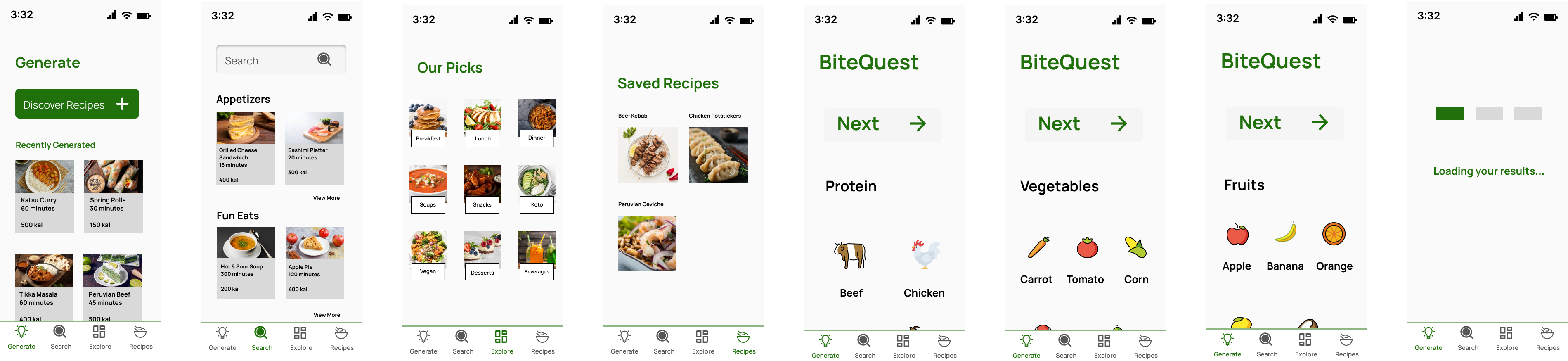
I have designed a user-friendly mobile app, in which
features an in-app recipe generator that allows users
to effortlessly create customized recipes, in which
saves time for people of all backgrounds.



To build this app, I really dug deep into what people
need in the kitchen. I found out that many folks,
whether they cook a lot or were just starting, struggle
to find recipes using the ingredients they have without
getting a big headache. So, I initiated research
amongst avid cooks and asked them questions
through surveys to understand the issues they face
when looking for recipes. I also checked out other
apps that did similar things to test what worked well
and what didn't.
.png)


For fitness
enthusiasts,
discovering new
recipes and
maintaining a
healthy diet are
essential
components of
their overall
wellness journey.





There's a
widespread struggle
of balancing work
and cooking,
driving the demand
for quick and
convenient meal
solutions.



"I'm torn between
wanting something
quick and easy for
busy days and
enjoying fancy,
aesthetic meals."






Design an app that swiftly generates
diverse cultural recipes using
ingredients at hand, promoting
sustainability and saving users
valuable time.

Time-Saving Recipe Generation
.png)
Ingredient-Driven Sustainability

Cultural Culinary Exploration


During usability testing, users engaged with the app by exploring
features like finding recipes and using the generator.
I carefully observed how they navigated through the app,
interacted with different functions, and searched for specific
recipes. Their feedback was invaluable, highlighting aspects that
were clear and user-friendly and pointing out areas that needed
improvement. I watched closely to see how they moved around
in the app and if they could easily do what they wanted. Their
thoughts were super helpful – they told me what they liked and
where the app could be better. I did surveys and spoke
one-on-one with users to get their experiences and
suggestions. This iterative process of communication and
feedback exchange with users was a significant initiative
forward in enhancing the user experience.





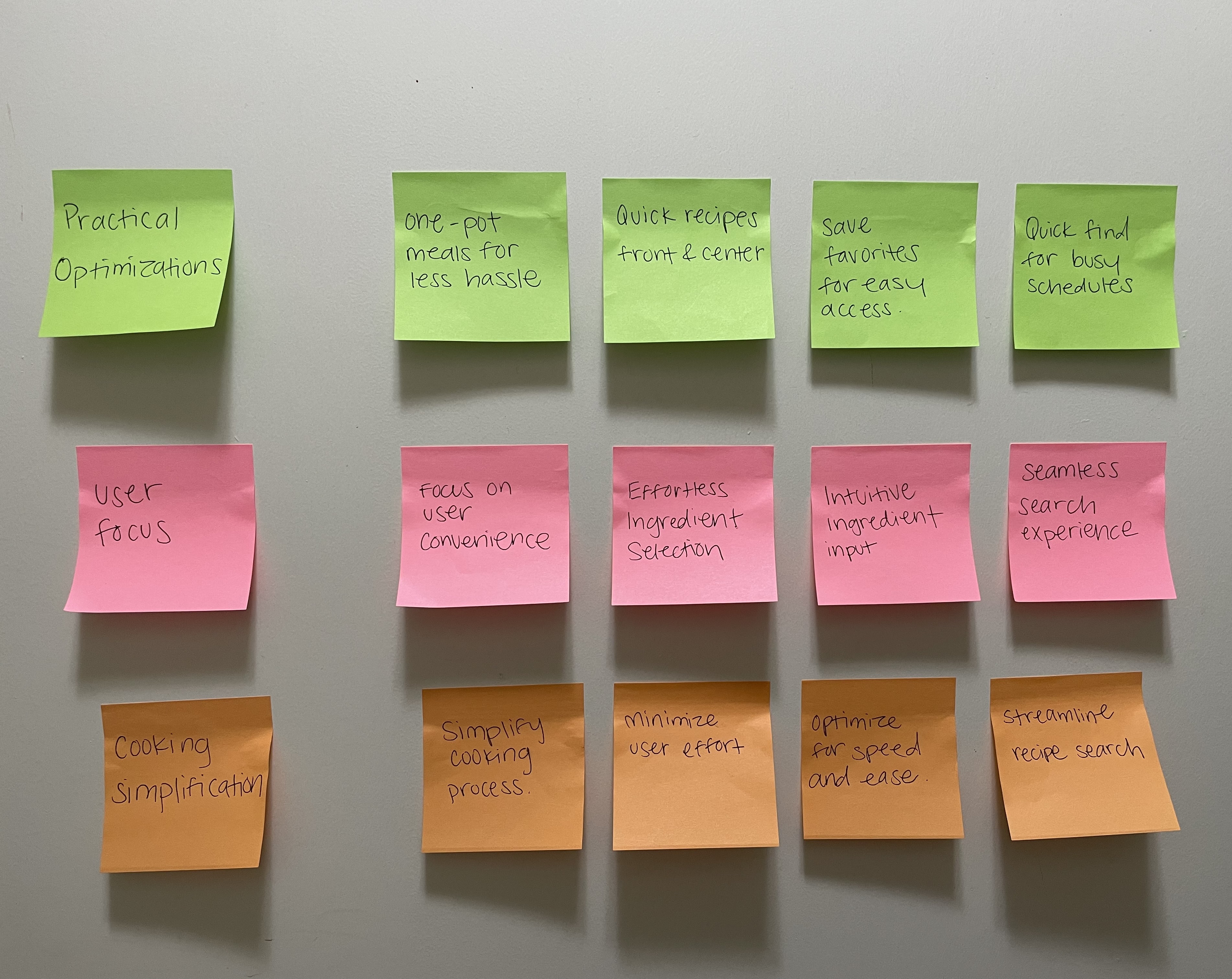
To improve recipe
relevance, through
intentional design
choices, designed
the app to suggest
recipes based on
user preferences
and the ingredients
they have on hand.

When it came to
saving and
organization,
I designed the
app for easy
saving and
organizing of
favorite recipes
while browsing.

For search and
filter,
I categorized
them based on
their country of
origin,
enhancing the
diversity
of options
presented
and enriching
their culinary
exploration.
Isn't she beautiful?


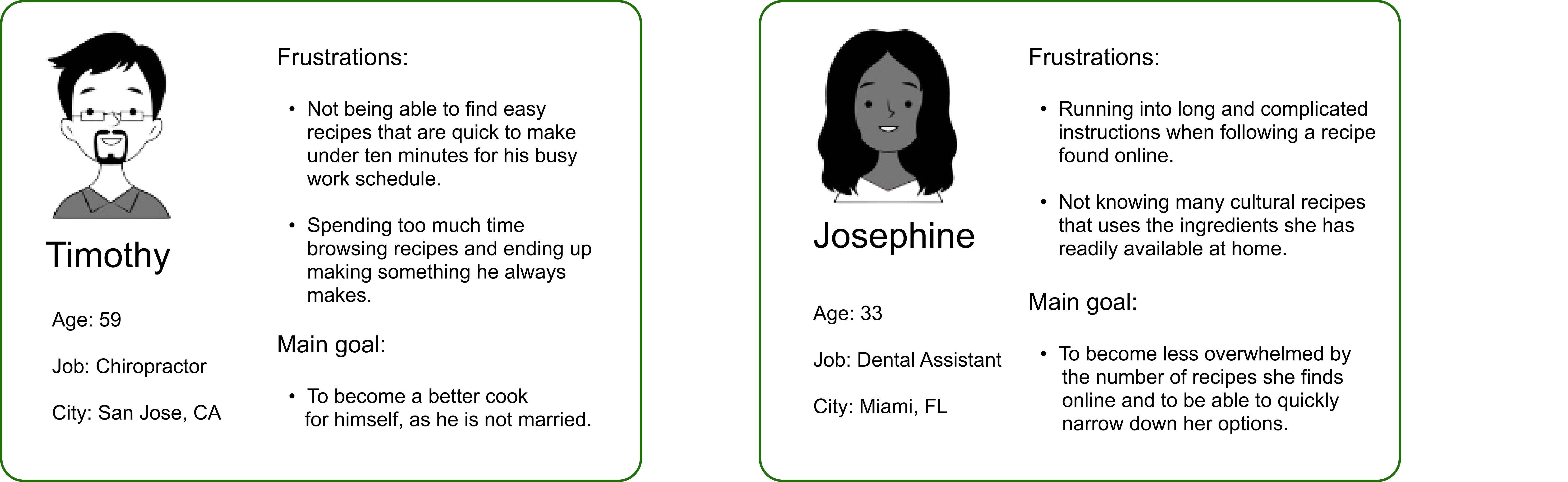
User research is paramount for a food app as it allows us to
understand the diverse preferences, dietary restrictions, and
cooking habits of our target audience. By delving into user
insights, we uncover valuable patterns and behaviors that
inform our design decisions, ensuring our app meets the
evolving needs of users. Additionally, user research
empowers us to create a more personalized and engaging
experience, fostering a deeper connection between users
and the app as they feel understood and catered to in their
culinary journey. All this research helped me design an app
that not only solves the problems people are facing right now,
but also caters to what home cooks might want down the road.
Through in-depth user research and collaborative efforts with
my two skilled engineering colleagues, I've gained invaluable
experience and expertise as a seasoned UX designer. We
engaged in frequent feedback sessions to refine designs and
address technical considerations, fostering a collaborative
environment where ideas were exchanged fluidly. Their
expertise provided valuable insight into the feasibility of
design concepts, guiding decision-making processes and
ensuring alignment between design and implementation.
Through this collaborative dynamic, I gained a deeper
appreciation for the importance of interdisciplinary
collaboration in achieving successful
user experience outcomes.